What is film coating?
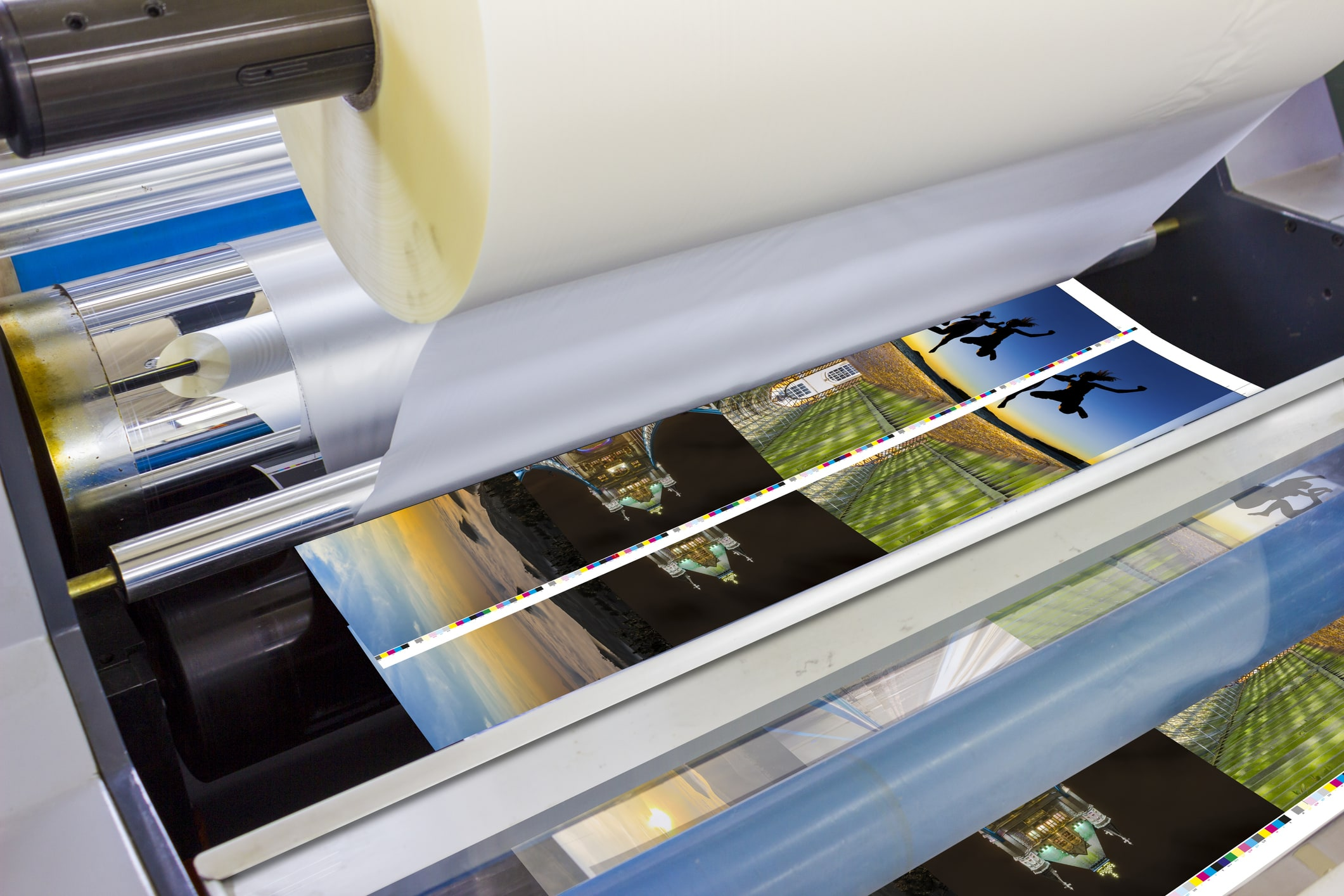
The laminating process is a surface processing technique after printing, also known as over molding, laminating, or film pasting.
Q: Why do book covers reflect light and shine?!
A: Because it is covered with a glossy film for protection, printed products coated with film will have a smoother, brighter, more stain resistant, water-resistant, and wear-resistant surface, which is less likely to damage the printed products and improves their service life.
Q: What is the membrane length like? Can it be partially covered with film?
A: Sure But there’s no need!! Can be replaced by other processes.
Types of membranes
1.Light film (bright film)
2.Mute film
3.Pearlised film
4.Touch film
5.Laser film
6.Frosted film
Covering film (bright film)
Increasing the surface glossiness of packaging to make the appearance more vivid and bright is a commonly used packaging technique.
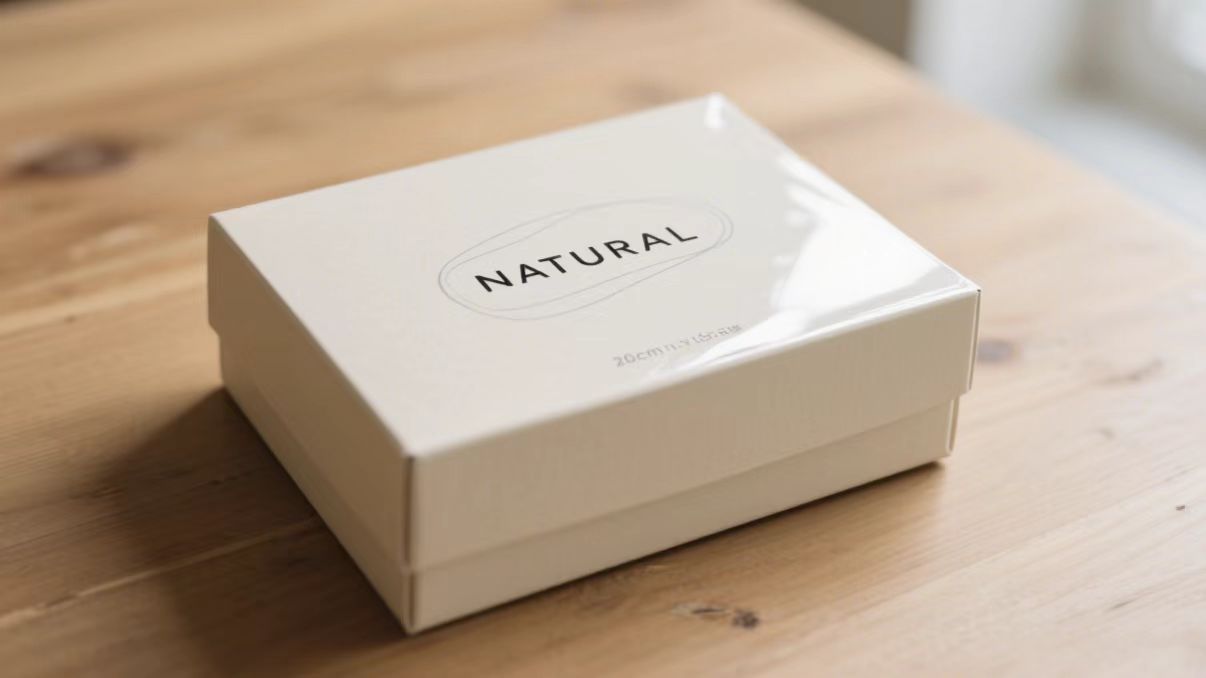
Covered with matte film
Smooth surface, no reflection, with a soft and low-key feeling, is also a common packaging technique.
Pearlised film
Pearlescent film is a material widely used in the cosmetics and beauty fields, which can give products a unique luster and three-dimensional feeling.
Touch film
The characteristics of tactile film include unique hand feel, high-end appearance, and applications covering high-end packaging and printing binding fields.
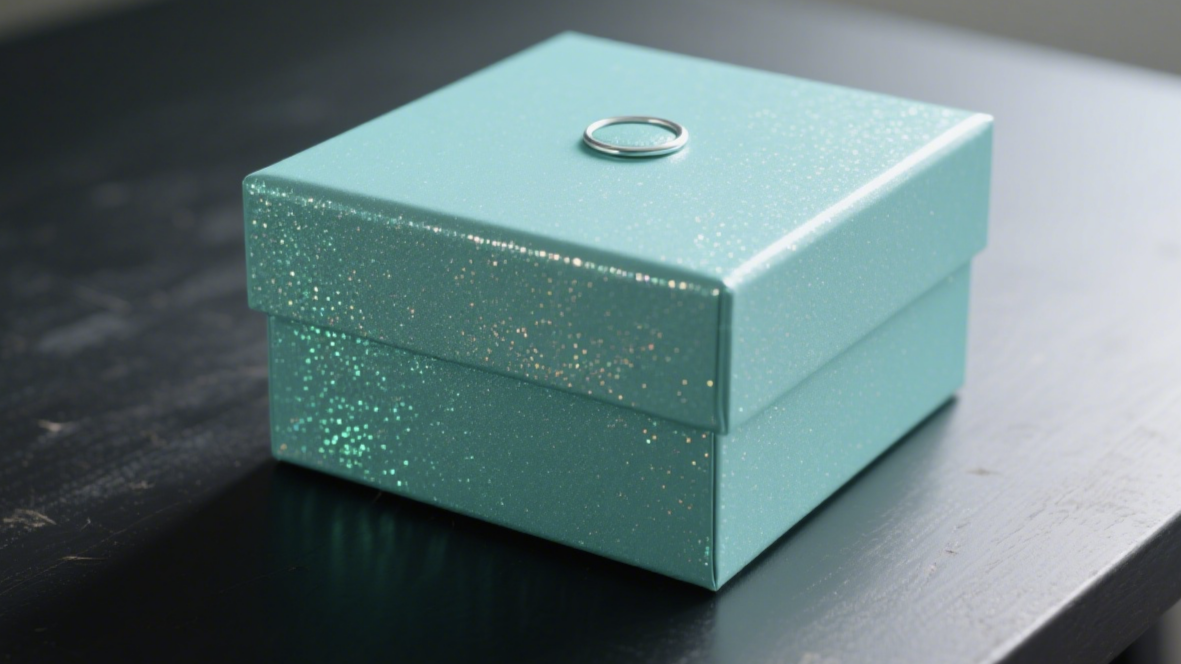
Laser film
Since the laser film with rainbow like visual effects was put into the market, it has quickly been widely used, especially in cigarette packs, wine packs, high-end books and magazines, etc.
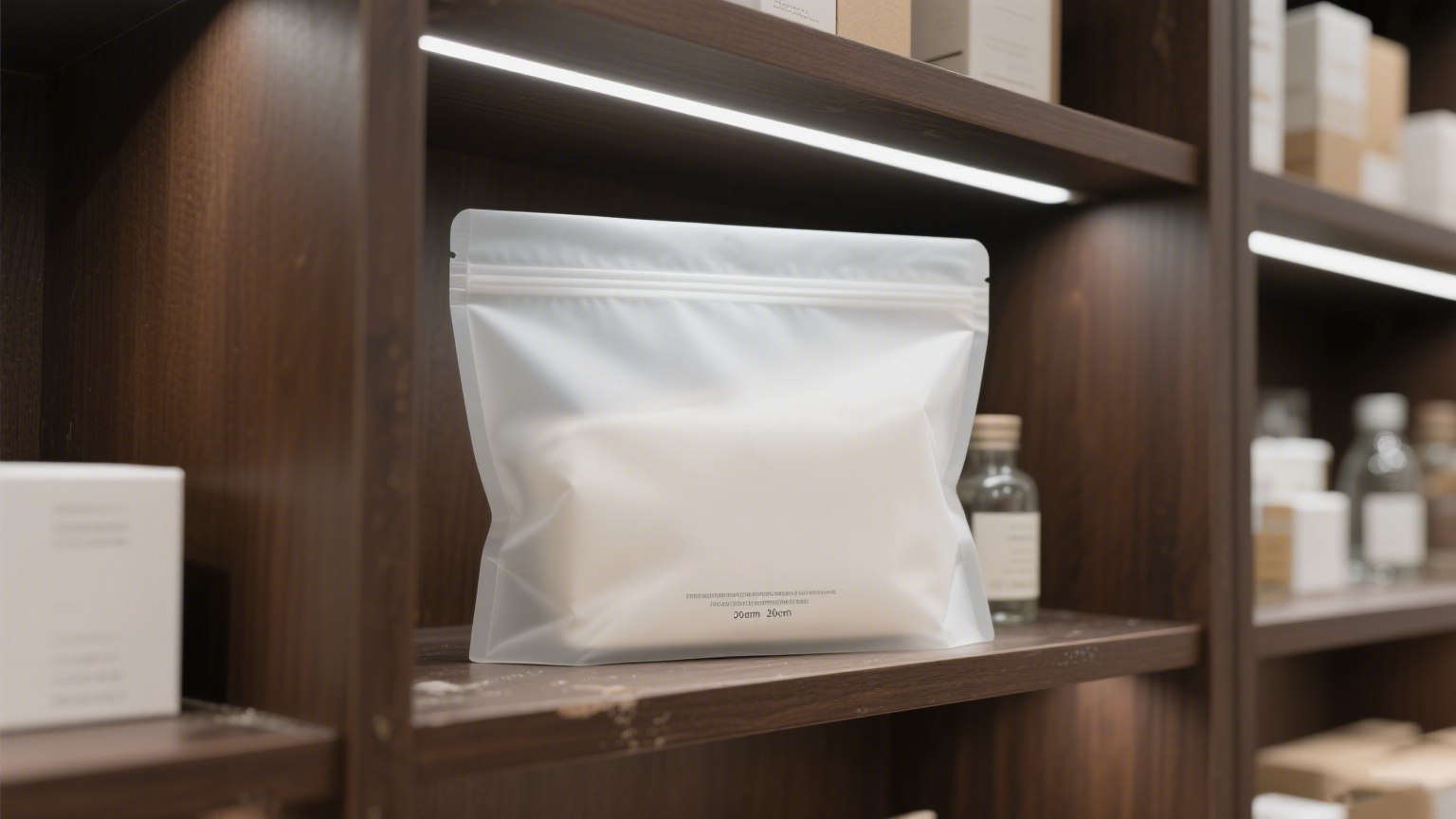
Frosted film
The frosted film has undergone special treatment to create a subtle roughness. The hazy visual effect enhances the mystery and artistic sense of printed materials, commonly used in high-end product packaging and personalized printed materials.
What if we don’t film it?
The surface is rough, prone to bursting edges when folded, and not waterproof. It is not coated with film and is suitable for disposable printed materials or short-term use materials.